


What Is Fabric Structure

Table of Contents
Introduction
Fabric structures are revolutionizing the architectural landscape with their lightweight, sustainable, and versatile designs. Combining aesthetics with functionality, these structures find applications across aviation, industrial, agricultural, sports, and more. This article delves into their unique characteristics, types, cost analysis, innovation trends, and investment potential, highlighting Gaxtent’s leadership and contributions to the industry.
What Is Fabric Structure
Fabric structures are lightweight architectural systems that primarily use membrane materials. This innovative form of construction has gained popularity among engineers and architects for its unique advantages.
Features
- Lightweight and Flexible: Known for being lightweight, easy to transport, and quick to assemble, ideal for temporary and semi-permanent structures.
- Aesthetic and Functional: Stylish designs adaptable to complex environments and diverse functional requirements.
- Highly Adaptive: Suitable for various climate conditions, offering excellent wind and snow resistance.
Sustainability
Fabric structures are widely praised for their eco-friendliness:
- Use recyclable materials, reducing reliance on natural resources.
- Consume less energy during manufacturing and installation, aligning with green building principles.
Cost-Effectiveness
Compared to traditional reinforced concrete or steel buildings, fabric structures offer significantly lower construction and maintenance costs. They provide users with substantial savings in both initial investment and long-term operations.
Innovative Development
The design and material technologies behind fabric structures have advanced significantly in recent years:
- Enabling complex and large-span constructions.
- Modular designs allow users to expand or adjust layouts as needed.
Professional Industry
The fabric structures industry has become highly specialized, offering customizable material options, advanced engineering designs, and comprehensive construction support. As a global leader in fabric structures, Gaxtent leverages 23 years of export experience and a presence in over 50 countries to deliver complete solutions, from design to construction.
Types of Fabric Structures and Detailed Application Scenarios
Clear Span Fabric Structures
- Features: Free from internal support columns, providing spacious interiors.
- Primary Materials: Aluminum or steel frames paired with fire-resistant and tear-resistant PVC membranes.
Detailed Application Scenarios:
- Aviation Hangars: Shelters for aircraft storage, protecting against wind and rain while accommodating maintenance needs.
- Construction Sites: Storage for heavy equipment and materials or temporary facilities for workers.
- Warehousing and Logistics: Rapidly assembled spaces for goods storage that can be adjusted to business needs.
- Sports Facilities: Covers for football fields, tennis courts, or equestrian arenas for high-profile events.
Tension Structures
- Features: Supported by steel frameworks and high-strength membranes, ideal for long-term usage.
Detailed Application Scenarios:
- Storage Facilities: Large-capacity spaces for agricultural products and industrial materials.
- Event Venues: Indoor sports arenas, exhibition centers, or concert spaces with adjustable layouts.
- Logistics Hubs: Rapidly deployed large warehouses for efficient distribution operations.
Tensile Structures
- Features: Supported by tension in the membrane material, these structures are lightweight yet highly durable.
Detailed Application Scenarios:
- Parks and Public Spaces: Canopies, shade structures, or walkways providing comfort for visitors.
- Exhibitions and Events: Temporary exhibition spaces or artistic installations that are easy to install and dismantle.
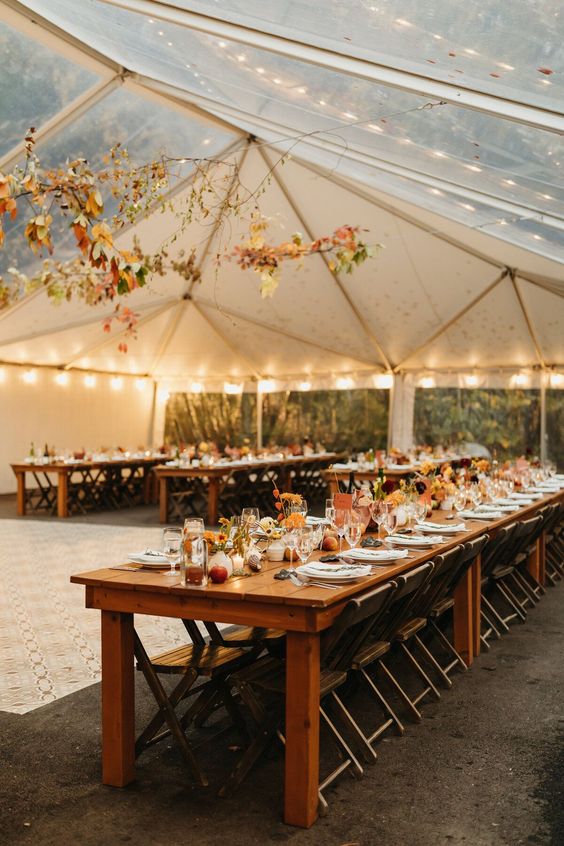
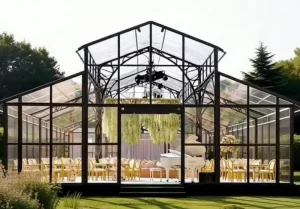
- Outdoor Weddings and Banquets: Elegant and waterproof, ideal for upscale events.
Cable Net Fabric Structures
- Features: Composed of tensioned cables forming a grid structure, suitable for ultra-large-span buildings.
Detailed Application Scenarios:
- Large Sports Facilities: Olympic venues or football stadiums that offer weather protection and aesthetic appeal.
- Artistic Installations: Architectural facades or suspended art pieces supported by these structures.
- Commercial Complexes: Enhancing visual appeal in shopping mall atriums and other decorative spaces.
Frame-Supported Fabric Structures
- Features: Rigid frames combined with membrane materials, allowing for customized designs.
Detailed Application Scenarios:
- Industrial Workshops: Temporary extensions of production lines or dedicated operation zones.
- Agricultural Facilities: Greenhouses or livestock shelters, offering ideal living conditions for crops and animals.
- Emergency Shelters: Rapidly deployable rescue centers or temporary hospitals after natural disasters.
Geodesic Dome Structures
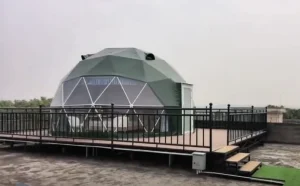
- Features: Spherical structures formed by triangular elements, capable of self-support and suited to extreme environments.
Detailed Application Scenarios:
- Extreme Climate Conditions: Arctic research stations or desert eco-pods resistant to severe weather.
- Greenhouses: Efficient spaces for plant cultivation, enhancing productivity.
- Exhibitions and Event Spaces: Visually striking dome designs ideal for brand displays.
Gaxtent offers a wide range of fabric structures, with comprehensive customization services for dimensions, interiors, colors, and functional layouts to meet specific client requirements.
Cost Factors of Fabric Structures
Fabric structures are known for their cost-efficiency, with key cost components as follows:
1. Design Costs
Includes professional fees for custom solutions tailored to client needs, such as spacious openings or specialized support points for equipment.
2. Manufacturing Costs
Impacted by the complexity and scale of the structure, involving material selection, skilled labor, and equipment usage.
3. Installation Costs
On-site conditions, such as terrain adjustments or foundation preparations, can influence costs. However, the rapid assembly capability of fabric structures significantly reduces labor and equipment rental expenses.
Clear Span Fabric Structures: The Most Popular Type
Features
- Free from interior columns, offering excellent spatial flexibility for diverse scenarios.
- Quick to assemble or dismantle, suitable for multiple relocations.
Application Scenarios
- Aviation: Aircraft hangars and maintenance workshops.
- Agriculture: Livestock housing, grain storage.
- Sports: Athletic facilities and equestrian venues.
- Industrial: Production sites and equipment storage.
Price Range
Cost per square foot ranges from $5 to $30. Gaxtent’s Clear Span Fabric Structures are highly valued for their cost-effectiveness and reliability, making them a top choice for clients, especially in industrial and agricultural sectors.
Future Innovations in Fabric Structures
Trends
- Composite Materials: Enhanced strength and durability.
- 3D Printing Technology: Reduces manufacturing time and increases design flexibility.
- Eco-Friendly Materials: Supporting sustainable development.
Industry Impact
Innovations in fabric structures are expanding their applications in aviation, defense, and healthcare. For example, Gaxtent’s R&D team is actively developing greener and smarter building materials to offer clients cutting-edge solutions.
Are Fabric Structures Worth Investing In?
Fabric structures offer exceptional investment value:
- Cost-Effective: 30% or more savings compared to traditional buildings.
- Rapid Deployment: Installation completed in days, reducing construction cycles.
- Eco-Friendly: High-quality, recyclable materials reduce environmental impact.
As a benchmark enterprise in the fabric structures industry, Gaxtent provides integrated solutions that not only save costs for clients but also align with green building goals.
Conclusion
Fabric structures combine unparalleled flexibility, aesthetics, and sustainability, securing their place in modern architecture. Through continuous innovation and professional service, Gaxtent is setting new standards in the industry. Whether for temporary setups or long-term building needs, fabric structures offer efficient and reliable solutions for clients worldwide.
FAQs about fabric structures
How to make fabric structures?
Fabric structures are created by designing a framework, often made of steel or aluminum, which supports high-strength fabric membranes like PVC or PTFE. The process involves engineering the frame, cutting and welding the fabric, and assembling the components on-site for installation.
What is structural steel fabrication?
Structural steel fabrication is the process of cutting, bending, and assembling steel components to create frameworks or structures used in construction. This involves skilled techniques like welding, drilling, and grinding to produce durable and precise steel frameworks.
How to estimate structural steel fabrication?
To estimate structural steel fabrication, consider factors like material costs, labor charges, equipment usage, and project complexity. Accurate calculations involve determining the weight of the steel, type of fabrication required, and any additional processing or finishing steps.
Galaxy
GALAXY’s tent products feature a net span ranging from 3 to 80 meters, with the flexibility of infinitely extending the length to cater to various requirements. Highly sought-after both domestically and internationally, our tent solutions stand out for their quality and versatility.
Trusted Tent Manufacturer


 English
 Spanish
 Arabic


