


What is a Commercial Tent? Commercial vs Ordinary Tents

Table of Contents
Introduction
With the rise of outdoor activities, commercial tents have become an important infrastructure for various large-scale events and commercial operations. From music festivals and exhibitions to outdoor weddings and emergency storage, commercial tents are widely used in various fields due to their high strength, safety, flexible layout, and aesthetics.
So, what exactly is a commercial tent? What is the difference between it and ordinary leisure tents? What are the precautions when choosing? This article will provide you with detailed answers.
What is a Commercial Tent
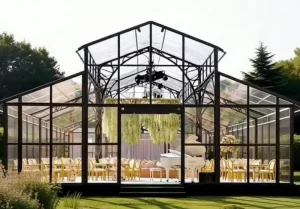
Commercial tents are large, durable, customizable temporary structures designed specifically for commercial activities, public events, or long-term use. Unlike ordinary camping tents, commercial tents emphasize structural safety, environmental adaptability, and aesthetic functionality. They are able to cope with complex weather conditions and provide a professional spatial experience.
Common Commercial Tent Types
Types | Features | Application Scenarios |
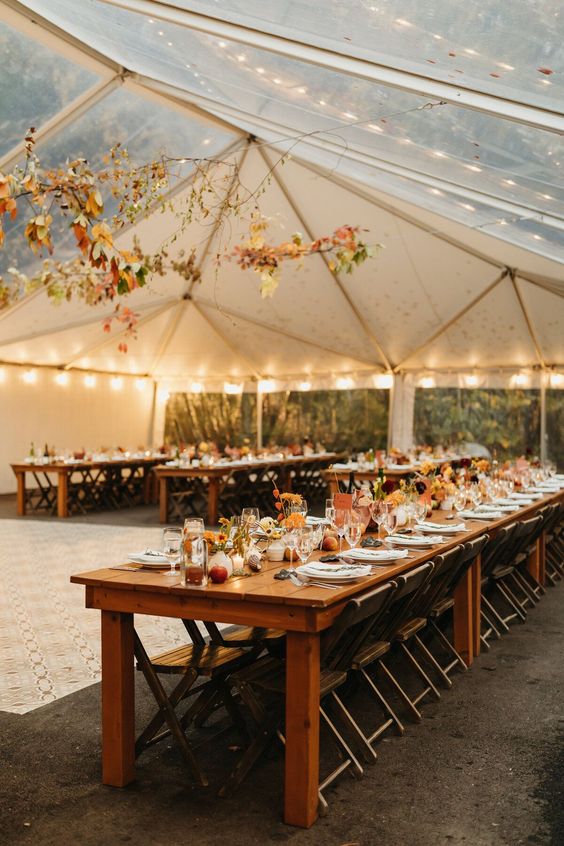
Frame Tent (Frame Tent) | No center column, high space utilization, flexible installation | Exhibition, outdoor weddings, commercial displays |
Marquee Tent (Marquee Tent) | Modular expansion, suitable for large-scale setup | Large banquets, music festivals, sports events |
Pointed Tents (High Peak Tent) | Elegant appearance, easy to attract attention | High-end weddings, boutique exhibitions, VIP reception area |
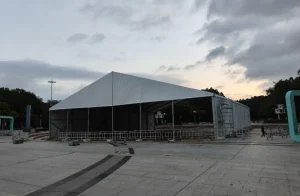
Large size, solid structure, suitable for storing goods | Temporary warehouses, equipment protection, logistic transit | |
Central Pillar Tent (Pole Tent) | Support poles in the center, traditional and elegant appearance | Countryside weddings, open-air markets, events |
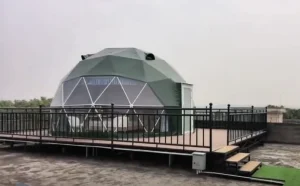
Unique structure, excellent wind resistance | Technology exhibitions, art installations, experiential spaces |
How to Choose the Right Commercial Tent?
- Space Layout Requirements:Need column-free space? Please choose the frame tent.
- Style Requirements:Want romantic elegance? Spire tent or pole tent is an excellent choice.
- Weather Resistance Requirements:In windy areas (such as Western Canada), choose a globe tent or reinforced frame tent.
- Budget & Frequency:Rentals are an option for short-term events, while outright purchase of a customized tent is recommended for medium to long-term use.
A US EventMB report shows that more than 75% of large event organizers will customize the design specifically according to the event theme and geography when shopping for a tent.
The Core Difference Between Commercial Tents VS Ordinary Tents
The biggest difference between commercial tents and ordinary tents lies in their professionalism and reliability. Ordinary tents are more suitable for short-term leisure use, such as camping, while commercial tents are designed for high-frequency use, enhanced security, aesthetic presentation, and compliance with regulations for commercial or public activities.
Detailed Comparison
Item | Commercial Tent | Ordinary Tent |
Material | High-strength aluminum alloy skeleton, heavy PVC tarpaulin (650-850g/㎡) | Fiberglass poles, lightweight coated fabric (150-300g/㎡) |
Structural Strength | Resistant to wind speeds of 100-120 km/h, compliant with international building standards | Average wind resistance, easily damaged in strong winds |
Useful Life | 5-15 years or more (well-maintained, up to 20 years) | 1-5 years, prone to wear and deformation |
Protective Properties | Fire protection (NFPA 701 standard), waterproof, UV protection, resistance to snow load | Limited water and sun protection |
Size Range | Width ranges from 3-60 meters, freely extendable | Usually small and portable (2-5 meters span) |
Cost Inputs | Higher (purchase price starts at US$5,000) | Lower (US$100-500) |
Scenarios | Exhibitions, events, warehousing, weddings, brand launches | Camping, short-term camping |
In summary, if your needs involve large-scale events, multiple uses, high safety requirements, or brand displays, commercial tents are undoubtedly a more ideal choice.
Main Features of Commercial Tents
- Excellent Durability and Environmental Resistance: Commercial tents are typically made from 6061-T6 aviation-grade aluminum, galvanized steel components, and 900g/m² double-sided coated PVC fabric. This makes them tear-resistant, corrosion-resistant, and capable of withstanding extreme temperatures (-30°C to +70°C). The tarpaulin material meets international safety standards, including NFPA 701 fireproof certification and EN ISO 2286-2 waterproof testing.
- Powerful Wind and Snow Resistance: Gaxtent high-end series commercial tents are designed to withstand wind speeds up to 120 km/h and snow loads of 20-30 cm. The use of thicker aluminum alloy profiles (e.g., 120x60x3mm) and a reinforced ground anchor system enhances structural stability.
- Flexible and Variable Modular Layout: Commercial tents support free expansion, with common designs including A-roof, spire roof, arc roof, and dome roof to meet various spatial and aesthetic needs. Standard span sizes include 3 meters, 6 meters, 10 meters, 20 meters, 30 meters, and 50 meters, with every 5 meters as a modular unit for unlimited extension.
✅ Gaxtent can customize your exclusive commercial tent according to your event needs, including color matching, door and window styles, flooring systems, and integration of lighting and air-conditioning solutions.
Why Choose Commercial Tents Instead of Ordinary Tents
Safe and Reliable, Reducing Risks
According to guidelines from the U.S. Occupational Safety and Health Administration (OSHA), event venues need to be disaster-resistant. Commercial tents are professionally designed and certified to significantly reduce the threats posed by rain, sleet, and snow to people and property on-site.
Save Long-term Costs
Although commercial tents require a higher initial investment, they have a long lifespan, are easy to maintain, and have low overall operating costs. According to North American Rental Association (ARA) statistics, the average return cycle for commercial tents is only 2-3 years, with rental frequency exceeding 80%.
Create a Professional Brand Image
Famous Cases:
- Coachella Music Festival (California) used over 100 large frame tents and tipis, attracting more than 250,000 attendees.
- F1 Grand Prix Melbourne used high-end tipis and spherical tents in the VIP reception area, perfectly reflecting the brand tone.
Compliant and Legal, Easy to Cope with Audits
The U.S. IBC 2018 International Building Code and the Canadian NBCC Code set safety standards for temporary buildings for public events. Commercial tents often meet or exceed these regulatory requirements, helping to avoid potential legal risks.
What Do I Need to Pay Attention to When Buying a Commercial Tent
When purchasing a commercial tent, it’s essential to consider not only the success of your event but also the economy and safety of long-term use. Here are the key factors to pay special attention to:
1. Usage and Event Scale
First, clarify the intended usage scenario and scale of the event. Different activities have varying requirements for tents:
- Small Events (50-200 people):Medium-sized truss tents or canopy canopies are suitable.
- Large Events (500+ people):Consider a large clear span tent or a double-decker tent.
2. Tent Size and Layout Design
The tent’s size greatly affects the sense of space and comfort during the event. A well-thought-out layout can enhance venue utilization and overall experience:
- Size Selection:Tent widths typically range from 3 to 50 meters, with customizable lengths. Reserve extra space to avoid crowding.
- Layout Planning:Based on the event type (e.g., banquets, exhibitions, weddings), choose an appropriate layout that includes areas for stages, rest, catering, and booths.
3. Tent Material and Protection Level
The materials used in the tent directly impact safety and durability. Common materials include PVC and polyester. Ensure the tent meets relevant fire prevention standards and wind resistance levels:
- Fire Standards:Look for international fire certifications like NFPA 701 and DIN 4102 B1.
- Wind Resistance Rating:Choose a tent that can withstand local wind speeds; generally, commercial tents should resist at least 80 km/h. Stronger options are recommended for extreme conditions.
- Waterproof and UV Resistance:Ensure the tent material has waterproof and UV-resistant properties, especially for outdoor events.
4. Tent Frame Materials
Tent frames are typically made of aluminum alloy or galvanized steel, each with its pros and cons:
- Aluminum Frames:Lightweight, corrosion-resistant, ideal for large temporary events, and easy to dismantle.
- Galvanized Steel Frames:Heavier but more suited for long-term use, providing greater structural stability.
5. Certification and Quality Assurance
Choose a supplier and product with international certifications to ensure quality and compliance with safety standards:
- International Certifications:Opt for manufacturers with ISO 9001 quality management certification or CE certification, indicating adherence to quality and manufacturing standards.
- Warranty:Most commercial tents offer a warranty of 3-5 years, with some high-quality options providing lifetime maintenance services.
By considering these factors, you can make a well-informed decision when purchasing a commercial tent, ensuring it meets your event’s needs and provides safety and reliability.
FAQS about Commercial Tents
Q1: How long can a commercial tent normally last?
A1: Under normal use and with regular maintenance, the lifespan of commercial tents can be up to 10-20 years. The PVC fabrics may need to be replaced after about 5-10 years of use.
Q2: What should I do in case of bad weather?
A2: Gaxtent tents are designed with high-strength wind and snow-resistant systems. It is also recommended to add supporting anchors and reinforcement components to enhance stability during adverse weather conditions.
Q3: How long does it take to set up a commercial tent?
A3: Small tents (e.g., 10m x 20m) can usually be set up in one day, while larger tents (e.g., 30m span) can take 2-3 days to complete.
Q4: Can commercial tents be customized with colors and logos?
A4: Yes, they can! Gaxtent provides customized fabric colors, pattern printing, and interior decoration services to help promote your brand.
Conclusion
Whether you are hosting a large-scale music festival, organizing an international exhibition, or setting up a temporary warehouse, choosing a commercial tent is a worthwhile investment. Compared to ordinary tents, commercial tents offer excellent durability, safety, and flexibility, making them indispensable for modern business activities.
If you are looking for a reliable commercial tent manufacturers in the United States, Canada, or Australia, consider Gaxtent. With international certifications and extensive experience, they can ensure that your project is executed smoothly, efficiently, and safely.
Galaxy
GALAXY’s tent products feature a net span ranging from 3 to 80 meters, with the flexibility of infinitely extending the length to cater to various requirements. Highly sought-after both domestically and internationally, our tent solutions stand out for their quality and versatility.
Trusted Tent Manufacturer


 English
 Spanish
 Arabic


